

All
Auction
Buy Now
Types: Aggregate Hopper
16 results
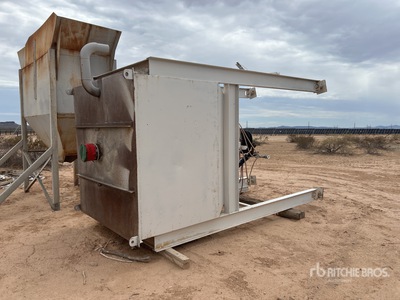

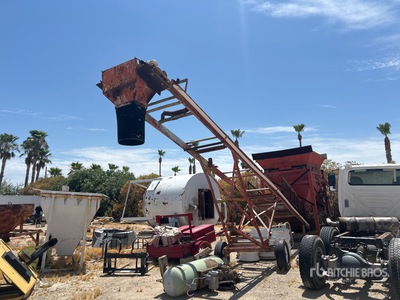
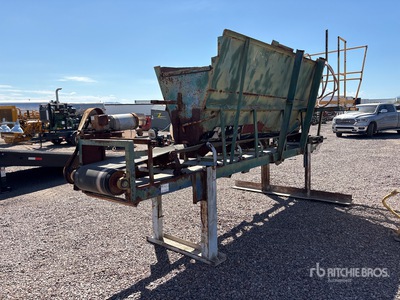
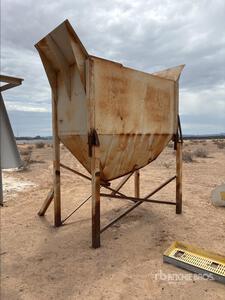
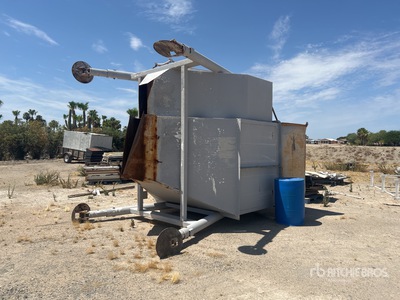
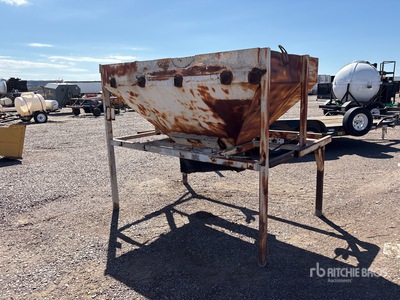
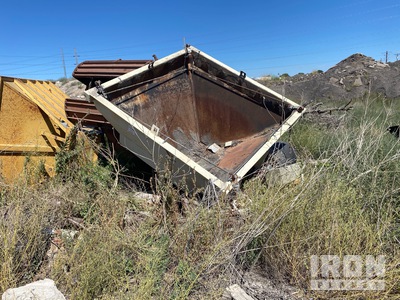
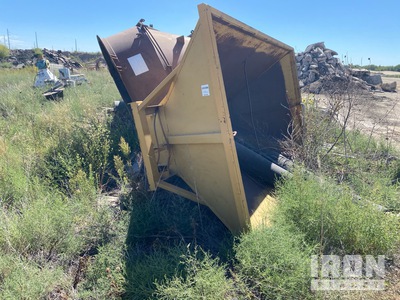
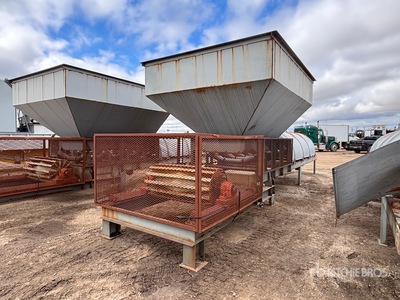
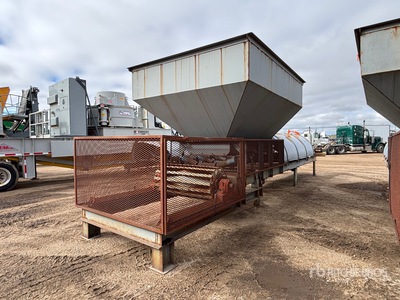
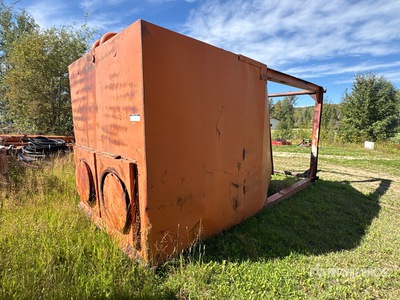
What are aggregate hoppers?
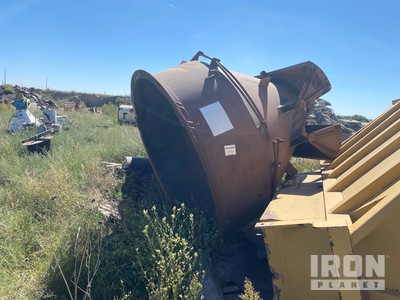
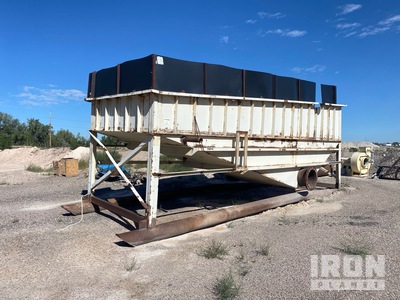
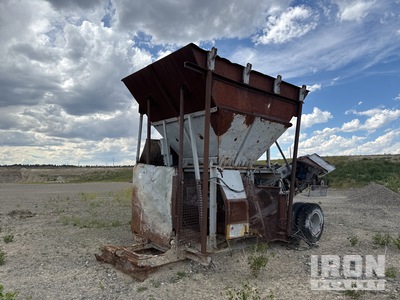
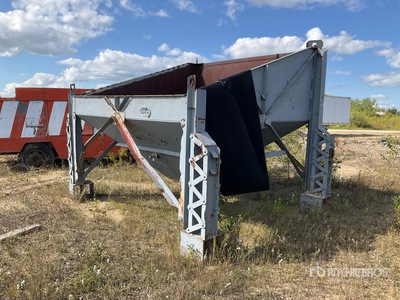
Aggregate hoppers are funnel-shaped storage and feed units used to receive, hold, and meter bulk granular materials such as sand, gravel, crushed stone, recycled asphalt, and other aggregates. They sit at the front end of nearly every material handling workflow — feeding crushers, screens, conveyors, asphalt plants, concrete batch plants, and rail or truck loadout systems — by providing a controlled buffer between dumped material and downstream processing equipment.
Most units consist of a heavy steel hopper body with sloped walls, a grizzly bar or grate at the inlet to reject oversized rock, and a discharge mechanism such as a vibratory feeder, belt feeder, or apron feeder. Hoppers range from small portable units with 5 to 10 cubic yard capacities used on remediation and recycling jobs, up to large stationary surge bins of 50 cubic yards or more found at quarries and mines. Capacity, feed rate, hopper geometry, and discharge type are the primary specs buyers evaluate against their throughput targets.
Why buy a used aggregate hopper?
Aggregate hoppers are mechanically simple compared to powered crushing or screening plants, which makes them an excellent used-equipment buy. The hopper body itself is fabricated heavy plate steel — when properly maintained, hoppers regularly deliver 15 to 20+ years of productive service. Buying used lets contractors, aggregate producers, and recyclers add throughput capacity for a fraction of new-build cost, and delivery is immediate rather than weeks or months out.
Used hoppers also pair well with existing crushing spreads. Whether you're expanding a portable wash plant, replacing a worn feeder on a stationary line, or staging material at a transfer point, a sound used unit avoids the lead times that often hold up production. Ritchie Bros. lists hoppers from operating quarries, aggregate yards, and contractor fleets across North America, giving buyers a steady pipeline of inventory.
Top aggregate hopper brands
Telsmith, Cedarapids, and Eagle Iron Works
These North American manufacturers build heavy-duty feed hoppers integrated with vibrating grizzly feeders. They are common on portable and stationary aggregate spreads, and replacement wear parts are widely available.
Metso, Sandvik, and McCloskey
Metso (including Lokotrack units), Sandvik, and McCloskey supply tracked mobile feeder hoppers — popular with recyclers and contract crushing operations because they self-propel between job sites and tie directly into mobile jaw crushers.
Superior Industries and KPI-JCI
Superior and KPI-JCI focus on portable wheeled hopper feeders and surge bins. Their units are widely used at sand and gravel pits and integrate well with portable screen plants and stacking conveyors.
What to look for when buying used aggregate hoppers
Hoppers wear in predictable places. A focused inspection — or a review of the Ritchie Bros. inspection report — should cover these key items:
- Hopper wall and floor wear: Check for thinning, gouges, and patches in the high-impact zones directly under where trucks dump. Replacement liners (AR400 or AR500 plate) should still have measurable thickness. Cracked welds at corner seams are a red flag.
- Grizzly bars and grates: Look for bent, broken, or excessively worn bars. Spacing should be consistent — bars worn down by 25% or more reduce screening efficiency and let oversized material reach the feeder.
- Feeder condition: On vibratory feeders, inspect the pan for cracks and check the springs, isolators, and drive motor bearings. On belt and apron feeders, examine belt condition, pulley lagging, idler rotation, and chain stretch.
- Structural frame and chassis: On portable and tracked units, inspect the frame, axles, tires or undercarriage, and king pin or jack legs for cracks, fatigue, and corrosion. Check track tension and pad wear on tracked feeder hoppers.
- Hydraulics and electrical: For powered units, look for hydraulic leaks at cylinders, hoses, and the power pack, and confirm the control panel, wiring harnesses, and remote (if equipped) function correctly. Engine hours on diesel-powered tracked units matter — under 5,000 hours is generally considered low-time for this class.
Buy used aggregate hoppers at Ritchie Bros.
Ritchie Bros. regularly lists aggregate hoppers and feeder hoppers from Telsmith, Cedarapids, Metso, McCloskey, Superior, KPI-JCI, and other leading manufacturers across our live and online auctions. Every consigned unit is cataloged with detailed photos, specifications, and inspection data so you can evaluate wear, capacity, and feeder condition before you bid. With buyers and sellers in more than 40 countries and decades of experience moving heavy aggregate equipment, rbauction.com and IronPlanet.com give you transparent access to the inventory and pricing you need to add hopper capacity on your timeline.