

All
Auction
Buy Now
Types: Aggregate Feeder
8 results
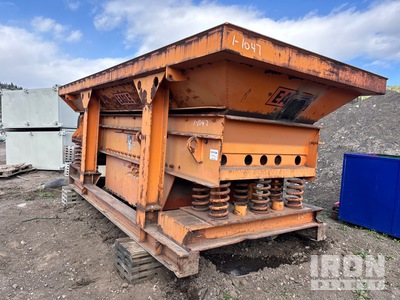 $45,000CAD
or make offer
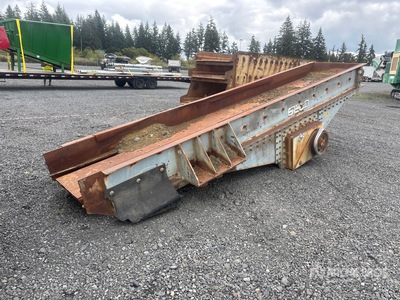

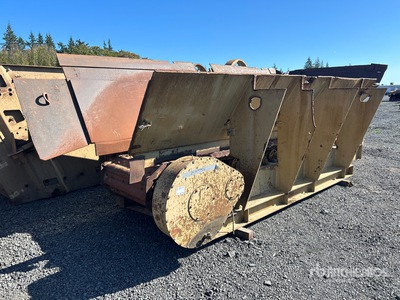
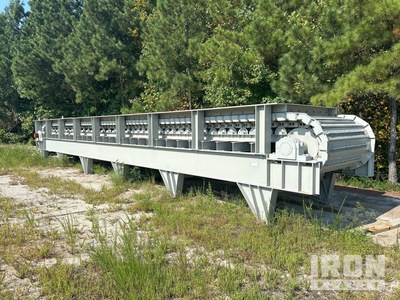
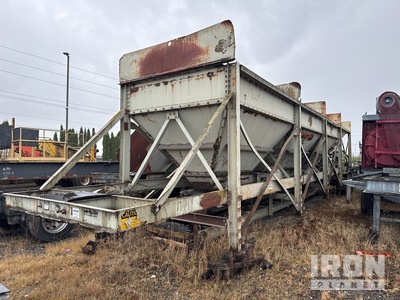
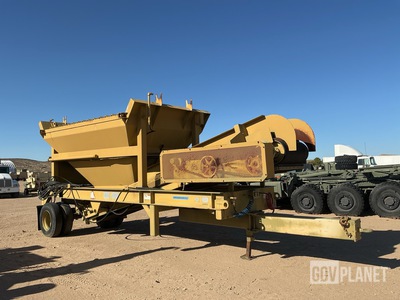
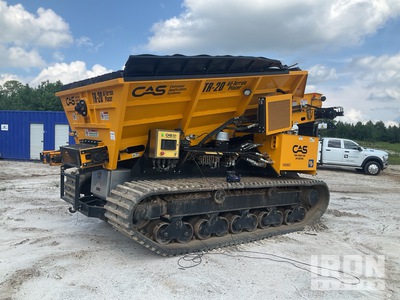
What are aggregate feeders?
Aggregate feeders are material handling machines used to control and regulate the flow of bulk materials — sand, gravel, crushed stone, ore, and recycled aggregate — from hoppers or stockpiles into crushers, screens, conveyors, or processing plants. They form the front end of nearly every aggregate production line, ensuring downstream equipment receives a consistent, metered feed rather than being overwhelmed or starved.
Common configurations include vibrating grizzly feeders, apron feeders, belt feeders, pan feeders, and reciprocating plate feeders. Each is designed for a specific material profile and throughput range, with grizzly feeders also pre-screening fines ahead of primary crushers. You'll find them across quarrying, mining, recycling, and large-scale construction operations.
Why buy a used aggregate feeder?
Aggregate feeders are mechanically straightforward machines built to withstand abrasive, high-tonnage environments. Their core components — vibrating shafts, springs, drive motors, apron pans, or belt assemblies — are engineered for decades of service when properly maintained. That makes the used market a strong value proposition: a well-kept feeder can be sourced for a fraction of new equipment pricing and put to work the same week it arrives.
For operators rebuilding a crushing spread, adding a secondary line, or replacing a worn unit mid-season, buying used at auction eliminates the long manufacturer lead times that have plagued aggregate equipment supply in recent years. Ritchie Bros. lists hundreds of feeders annually, with documented hours, inspection reports, and known service histories on many units.
Top aggregate feeder brands
Several manufacturers dominate the used aggregate feeder market, and recognizing their flagship models helps buyers compare specs and resale value with confidence.
Metso
Metso vibrating grizzly feeders, including the VF and TK series, are widely used ahead of jaw crushers in quarry applications. They're known for heavy-duty grizzly bars, replaceable wear liners, and strong parts availability worldwide.
Terex / Powerscreen
Terex Finlay and Powerscreen feeders pair well with mobile crushing and screening trains. The Terex Finlay 393 and similar tracked feeders are common at auction, valued for portability between sites.
Sandvik
Sandvik's heavy-duty grizzly and apron feeders are built for high-tonnage primary applications. Their reputation for robust drive systems and long bearing life makes them a frequent target for buyers replacing older units.
McCloskey, Kolberg-Pioneer, and Cedarapids
These brands round out the used market with vibrating pan feeders, belt feeders, and integrated hopper-feeder combos that suit recycling yards, asphalt plants, and contractor-scale operations.
Vibrating grizzly feeders vs. apron feeders
Choosing between feeder types comes down to material characteristics and duty cycle. Vibrating grizzly feeders excel with dry, hard, free-flowing aggregate and pre-screen fines before the primary crusher — reducing crusher wear and boosting throughput. They have fewer moving parts and lower maintenance costs.
Apron feeders, by contrast, handle wet, sticky, lumpy, or oversized material that would clog or damage a vibrating unit. They're the standard for primary feed from haul-truck dumps in mining and large quarry operations. Apron feeders cost more upfront and require more maintenance on chains and pans, but they handle the punishment that would destroy lighter equipment. Many used buyers source one of each to match different material streams across a single site.
What to look for when buying a used aggregate feeder
- Wear plates and liners: Inspect the feed box, side walls, and discharge area for thinning, cracks, or weld repairs. Replacement liners are routine, but heavy structural wear signals a hard life.
- Grizzly bars or apron pans: On grizzly feeders, check bar spacing consistency and look for bent or broken bars. On apron feeders, inspect every pan for cracks and measure chain stretch.
- Vibrator drive and bearings: Listen for unusual noise during operation if possible. Worn shaft bearings on vibrating feeders are a common failure point and an expensive rebuild.
- Springs and mounts: Sagging, cracked, or mismatched isolation springs lead to frame fatigue. All springs should show even compression.
- Drive motor and gearbox: Check for oil leaks at the gearbox seals, verify motor hours where available, and confirm the unit matches the voltage and phase of your site power.
- Frame and structural welds: Cracks at stress points — particularly around the feed box and discharge lip — are repairable but should be factored into pricing.
Buy used aggregate feeders at Ritchie Bros.
Ritchie Bros. regularly lists aggregate feeders from Metso, Terex, Sandvik, McCloskey, Powerscreen, Cedarapids, and other leading brands across our live and online auctions. Each listing includes machine specifications, photos, and — where available — detailed inspection reports so buyers can evaluate condition before bidding. With auctions running globally on rbauction.com and IronPlanet.com, contractors and aggregate producers can source the right feeder without waiting on new-build lead times. Browse current inventory or contact our equipment specialists to find a feeder matched to your throughput and material profile.